
Your Facility Is Either Supporting Your Business or Holding It Back
Why professional facility management is a business necessity, not just an operational expense.
A business facility is more than a building. It is an environment where people work, customers interact with your brand, assets operate, and business activities take place every day.
Yet, many organizations underestimate how much their facilities influence overall business performance.
Unplanned maintenance, inconsistent cleaning standards, security gaps, poor landscaping, and inefficient facility operations can gradually affect productivity, increase operating costs, and create unnecessary risks.
The question is not simply whether your facility is being maintained.
The real question is whether it is being managed to support your business objectives.
1. Your Facility Directly Reflects Your Business
The condition of your workplace sends a message about your organization.
A clean, secure, well-maintained, and properly managed environment creates confidence among employees, visitors, customers, and business partners.
On the other hand, neglected facilities can affect your professional image, employee experience, and the way people perceive your business.
Professional facility management helps maintain the standards your business represents.
2. Reactive Maintenance Can Cost More Than You Think
Waiting until equipment breaks down or a problem becomes visible can lead to unexpected expenses and operational disruption.
A professional maintenance approach focuses on identifying potential issues before they become major problems.
Preventive maintenance helps organizations:
- Reduce unexpected equipment failures.
- Extend the useful life of assets.
- Minimize operational interruptions.
- Improve maintenance planning and cost control.
- Maintain safer and more reliable working environments.
A well-maintained facility is an investment in business continuity.
3. Security, Cleaning, and Pest Control Are Business Priorities
Facility management is not limited to repairing buildings and maintaining equipment.
It also involves creating a safe, healthy, and organized environment.
Every facility has different operational requirements, but several services remain essential:
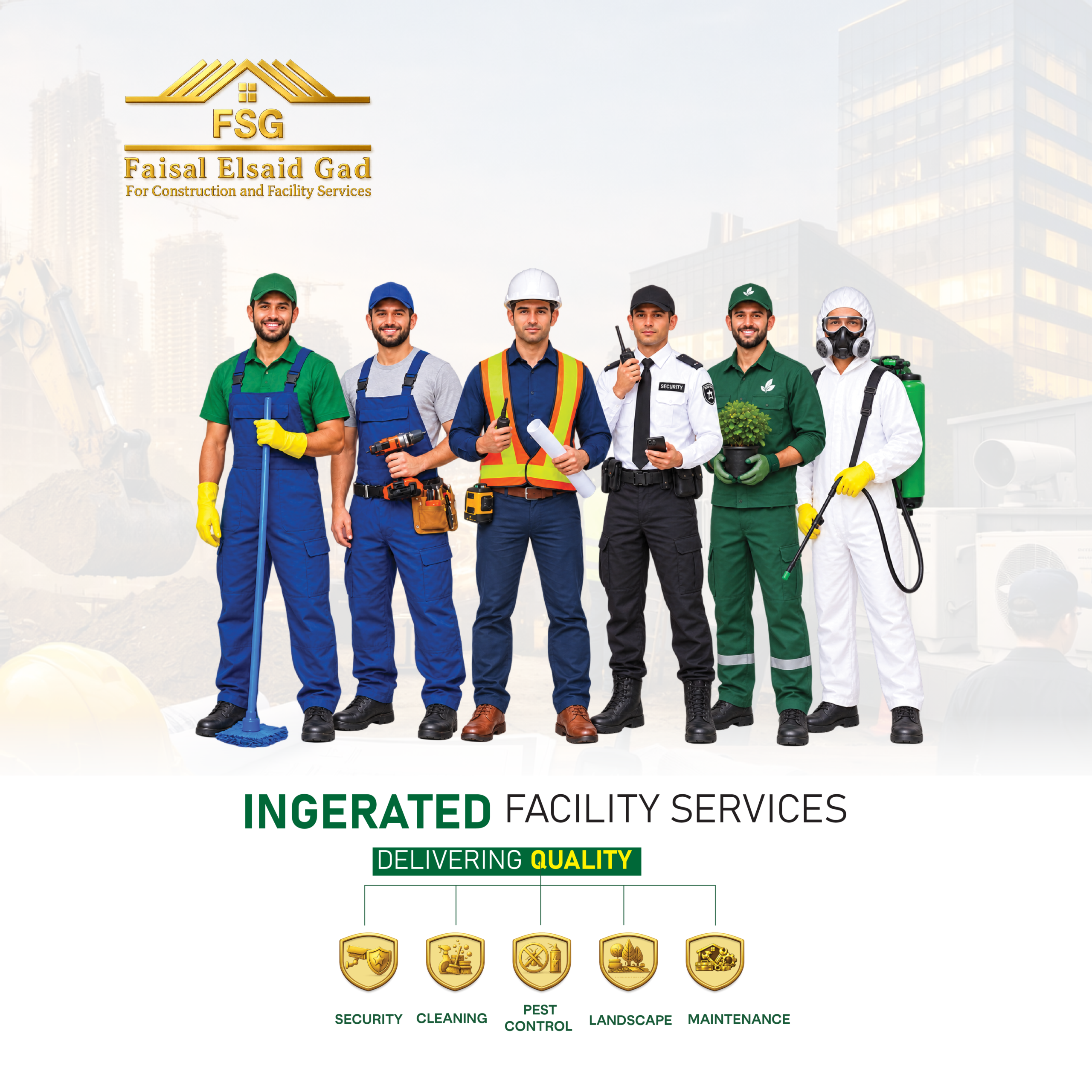
- Security Management: Supporting the protection of people, property, and business assets.
- Professional Cleaning: Maintaining hygiene, cleanliness, and professional standards.
- Pest Control: Helping prevent infestations through appropriate control and monitoring programs.
- Landscape Management: Maintaining outdoor areas that reflect the quality of the facility.
- Technical Maintenance: Supporting the reliability and performance of building systems and infrastructure.
- Fire & Safety Maintenance: Supporting fire protection systems, safety equipment, and preventive safety measures to help protect people and property.
When these services are properly coordinated, businesses can focus more effectively on their core operations.
4. Integrated Facility Management Makes a Difference
Managing multiple service providers independently can create communication gaps, inconsistent service standards, and unnecessary administrative pressure.
An integrated facility management approach brings essential services under a coordinated management structure.
This can help businesses achieve:
- Better operational coordination.
- Consistent service quality.
- Improved supervision and follow-up.
- More efficient resource utilization.
- Clearer accountability.
- Better control over daily facility operations.
The goal is not simply to deliver individual services. It is to ensure that every part of the facility works together efficiently.
5. Construction Quality and Facility Management Go Hand in Hand
A building’s performance does not end when construction is completed.
The quality of construction, finishing, infrastructure, and ongoing maintenance all contribute to the long-term performance of a property.
Organizations need partners who understand the relationship between building execution, operational requirements, and facility performance.
From construction and finishing works to infrastructure, road construction, and ongoing facility services, a coordinated approach can support better long-term results.
How FSG Supports Business Performance
At FSG – for Construction and Facility Services, we understand that every facility has different requirements, operational challenges, and business objectives.
We provide integrated services designed to support organizations throughout different stages of their operational needs.
Our services include:
Construction & Finishing Works Professional execution of construction and finishing projects.
Infrastructure & Road Construction Infrastructure and road construction solutions supporting project requirements.
Facility Management Integrated services covering security, cleaning, pest control, landscaping, fire & safety maintenance and maintenance.
Business Development Supporting business growth and development through tailored solutions.
Import & Export Supporting commercial activities through import and export services.
Our approach focuses on coordination, quality, safety, operational efficiency, and delivering solutions aligned with each client’s requirements.
The Question Every Business Owner Should Ask
Is your facility operating at the standard your business deserves?
Are your maintenance activities planned? Are your service providers properly coordinated? Are safety, cleanliness, security, and operational performance being monitored?
If these questions do not have clear answers, it may be time to reconsider your facility management strategy.
FSG is ready to help you build, maintain, and manage environments that support your business performance.
Let’s Start a Conversation
Whether you manage a commercial building, industrial facility, educational institution, healthcare facility, hotel, or residential development, FSG can help you explore the right integrated solutions for your requirements.
Contact FSG – for Construction and Facility Services
Website: www.webfsg.com
Email: info.fsg@webfsg.com
FSG — Building Excellence. Managing Performance.